


The Rise of Luxury Beauty Stores in a Competitive Market

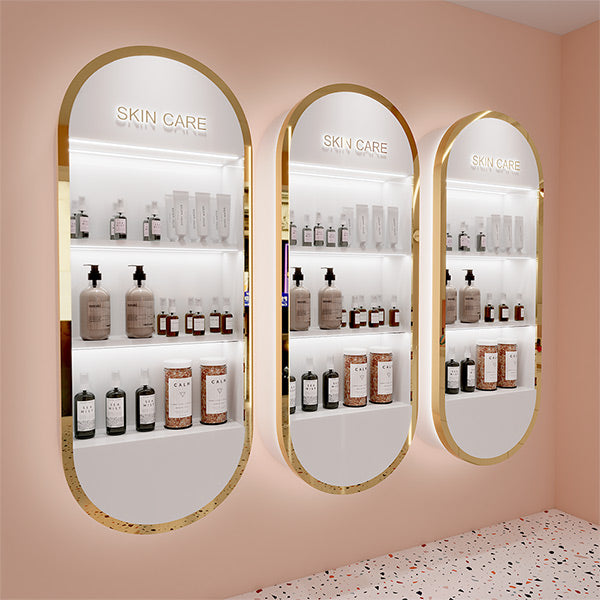
Luxury beauty stores now define modern elegance and exclusivity. Customers seek premium beauty products that reflect quality and prestige. Therefore, high-end cosmetics brands dominate prime retail spaces worldwide.
Luxury retail environments create emotional connections instantly. Soft lighting and curated displays elevate every product. As a result, shoppers perceive greater value in premium skincare and makeup collections.
Moreover, luxury beauty boutiques focus on experience rather than volume. Personalized consultations enhance customer trust and satisfaction. Consequently, repeat purchases increase significantly.
However, the market remains highly competitive. Many brands struggle to stand out despite superior formulas. Thus, strategic branding becomes essential for success in the luxury beauty segment.
Premium Skincare and High-End Cosmetics Defined
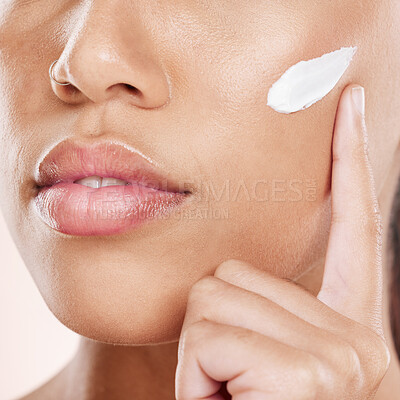


Premium beauty products emphasize quality ingredients and refined packaging. Advanced formulations often include rare botanical extracts and peptides. Therefore, consumers associate luxury skincare with visible results.
High-end cosmetics also focus on texture and longevity. Foundations blend seamlessly into the skin. Lipsticks deliver rich pigmentation with comfort. Consequently, luxury makeup enhances both confidence and appearance.
Packaging further reinforces brand prestige. Heavy glass bottles and metallic accents communicate exclusivity. Meanwhile, minimalist design conveys sophistication and trust.
Nevertheless, high prices create purchasing hesitation. Some customers doubt whether luxury beauty justifies its cost. Therefore, brands must demonstrate clear value through education and transparency.
Common Problems in Luxury Beauty Retail
Although luxury beauty stores promise excellence, challenges persist. Pricing remains the primary barrier for many customers. Even loyal shoppers compare alternatives before committing.
Furthermore, counterfeit products damage brand reputation. Online marketplaces often sell imitation luxury cosmetics. As a result, customer trust declines rapidly.
Limited accessibility also restricts growth. Many premium beauty boutiques operate only in major cities. Therefore, rural and smaller markets remain underserved.
Another issue involves ingredient sensitivity. Some consumers experience irritation from active components. Consequently, they hesitate to experiment with new luxury skincare lines.
Customer expectations also remain extremely high. If service feels impersonal, shoppers quickly lose interest. Thus, staff training becomes critical in maintaining brand image.
Effective Solutions for Sustainable Growth
Luxury beauty brands can overcome pricing concerns through value communication. Transparent ingredient sourcing builds credibility. In addition, scientific validation supports product claims effectively.
Brands should also implement authentication technology. QR verification systems protect against counterfeit distribution. Therefore, customers gain confidence in product authenticity.
Expanding digital presence resolves accessibility challenges. E-commerce platforms allow global reach without compromising exclusivity. Moreover, virtual consultations replicate in-store experiences effectively.
To address skin sensitivity concerns, brands can develop dermatologist-tested formulas. Offering sample sizes reduces purchase risk. Consequently, hesitant buyers feel more comfortable trying premium skincare.
Staff education further enhances customer satisfaction. Beauty advisors must understand ingredients and techniques deeply. As a result, personalized service strengthens long-term loyalty.
Luxury Fragrance and Niche Perfume Excellence


Luxury stores beauty segments thrive in niche fragrance categories. Unique scent compositions attract sophisticated consumers. Therefore, artisanal perfumes command premium pricing.
Exclusivity drives demand for limited-edition releases. Collectors value rare blends and artistic packaging. Consequently, niche fragrance houses build devoted communities.
However, fragrance purchasing remains subjective. Customers often hesitate without testing. Thus, in-store sampling experiences become essential sales drivers.
Digital scent descriptions can feel abstract. Brands must craft emotional storytelling around each fragrance. As a result, buyers connect with the narrative behind every bottle.
The Role of Technology in Premium Beauty Retail


Technology now transforms luxury beauty shopping. Virtual try-on tools increase engagement instantly. Therefore, customers experiment confidently with new shades.
AI-driven skin analysis devices personalize recommendations precisely. These tools evaluate hydration and texture efficiently. Consequently, shoppers receive tailored skincare routines.
Interactive mirrors elevate in-store experience further. Digital displays provide ingredient education quickly. Moreover, data insights allow brands to refine marketing strategies.
Yet technology integration demands investment. Smaller luxury boutiques may struggle financially. Therefore, phased adoption strategies ensure sustainable implementation.
Sustainability in High-End Beauty Brands
Modern consumers demand ethical production standards. Sustainable packaging reduces environmental impact significantly. Therefore, eco-conscious luxury brands gain competitive advantage.
Refillable skincare containers support long-term waste reduction. Furthermore, cruelty-free testing practices attract mindful buyers. As a result, sustainability becomes a core marketing pillar.
However, balancing sustainability with luxury aesthetics remains challenging. Eco materials may appear less premium initially. Thus, innovative design solutions become necessary.
Brands that align sustainability with elegance achieve long-term loyalty. Transparency in sourcing strengthens trust continuously. Consequently, ethical luxury defines future beauty retail success.
Customer Experience as the Ultimate Differentiator
Luxury beauty stores succeed through immersive experiences. Ambient design influences purchasing decisions strongly. Soft music and curated scents enhance mood effectively.
Personalized consultations add emotional value. Beauty experts listen attentively to client concerns. Therefore, customers feel understood and appreciated.
Loyalty programs further increase retention. Exclusive events and early access create excitement. Moreover, limited promotions maintain brand prestige.
However, inconsistency can damage reputation quickly. Service quality must remain exceptional daily. Thus, continuous training and feedback systems become essential.
Future Trends in Premium Beauty Industry
The luxury beauty market continues evolving rapidly. Clean beauty formulations gain increasing attention. Therefore, ingredient transparency becomes standard expectation.
Minimalist makeup trends emphasize natural glow. Consumers now prefer skincare-infused cosmetics. Consequently, hybrid beauty products dominate innovation pipelines.
Digital commerce also expands aggressively. Social media marketing drives global awareness effectively. Meanwhile, influencer collaborations boost product credibility instantly.
Despite competition, premium beauty remains resilient. Affluent consumers prioritize quality over price consistently. As a result, luxury stores beauty continues expanding worldwide.
Conclusion: Elevating Beauty Through Luxury and Innovation
Luxury stores beauty represent more than cosmetics. They embody prestige, craftsmanship, and personalized service. Therefore, high-end beauty retail thrives on emotional connection and trust.
Although challenges persist, strategic solutions ensure sustainable growth. Transparent communication builds lasting relationships. Moreover, innovation keeps brands relevant in dynamic markets.
Ultimately, premium beauty succeeds through authenticity and excellence. Brands that prioritize experience over transaction dominate the industry. Consequently, luxury beauty remains a symbol of sophistication and aspiration.